How Much Is Your Home Worth?

CONTACT
Keller Williams Premier Realty
License #: 40694721
License #: 268528
3555 Willow Lake Blvd. Suite #100, Vadnais Heights, MN, 55110
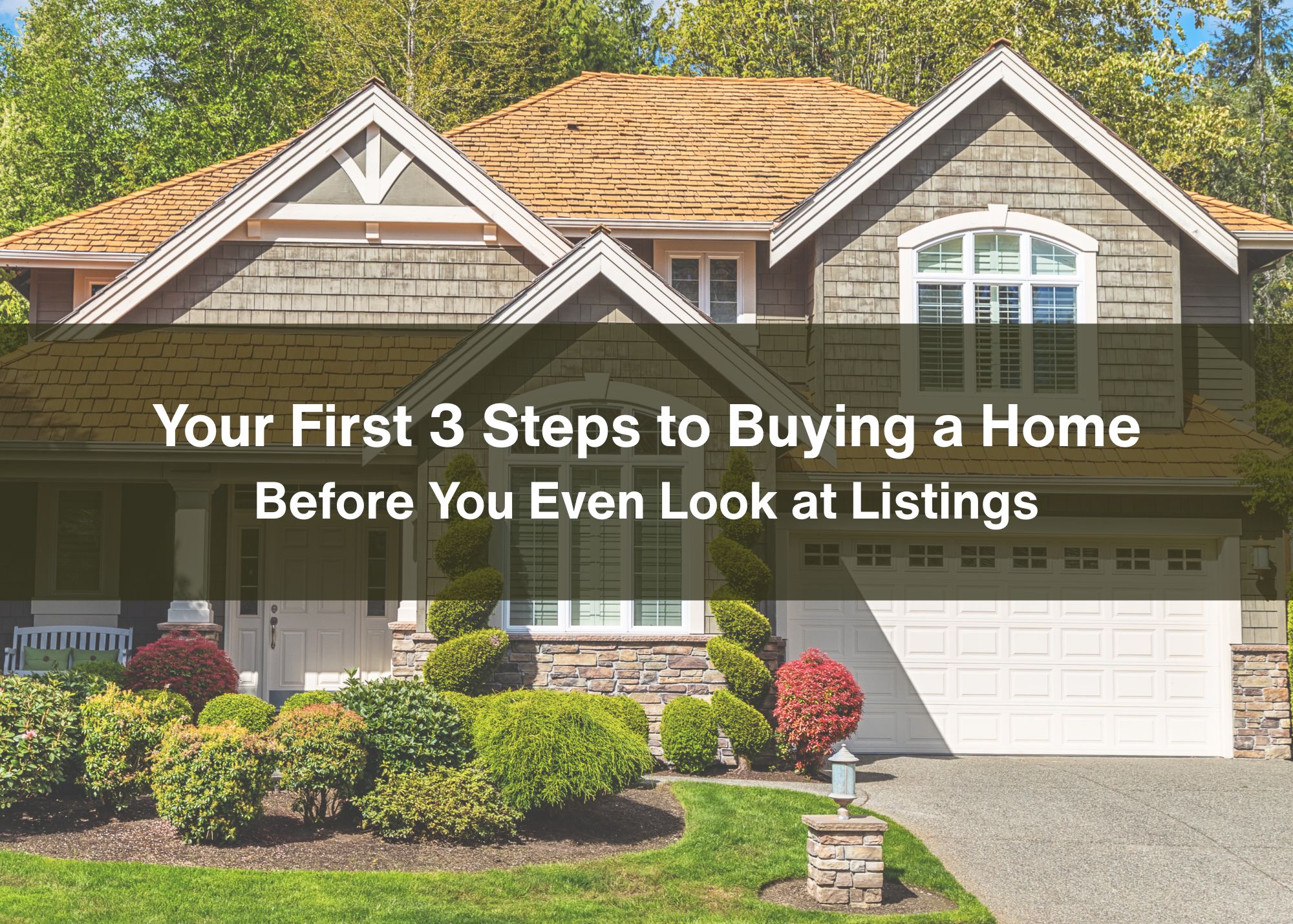
Your First 3 Steps to Buying a Home (Before You Even Look at Listings)
By Stephanie Checkley | Stephanie Checkley Real Estate | Keller Williams Premier Realty
Serving Lake Elmo, Stillwater & Woodbury for 13+ Years |stephaniecheckleyrealestate.co
Everyone wants to start with the fun part. You pull up Zillow, you start saving favorites, you fall in love with a kitchen — and then reality catches up. The offer falls apart because financing wasn't in place. You tour twelve homes and still have trouble deciding on what you actually want. You end up working with an agent who doesn't really know the area or, worse, doesn't really know you and your priorities.
It happens all the time, but luckily, it's almost always avoidable.
The buyers who have the smoothest, most successful experiences are the ones who do three things before they ever step foot in a home. Here are the three things, and why they are so important:
First, Get Pre-Approved — Not Pre-Qualified, Pre-Approved
There's a difference, and it matters.
A pre-qualification is a quick, surface-level estimate based on self-reported information. It takes about five minutes and tells you very little. A pre-approval is a full underwriting review — the lender pulls your credit, verifies your income and assets, and issues a letter stating exactly how much they're willing to lend you. That letter carries real weight.
Here's why this has to come first:
You need to know your real number. What you think you can afford and what a lender will approve can look very different. Getting pre-approved grounds your search in reality before you get emotionally attached to something outside your range.
Sellers won't take you seriously without it. In a competitive market — and Lake Elmo, Stillwater, and Woodbury are competitive — most sellers won't even consider an offer that isn't accompanied by a strong pre-approval letter. In some cases, listing agents will turn away showing requests from buyers who aren't yet pre-approved.
It helps you move fast. When the right home hits the market, you may have 24–48 hours to make a decision. Buyers who haven't completed this step lose homes while they scramble to get their paperwork together.
What to bring to your lender: two years of tax returns, recent pay stubs, two to three months of bank statements, and your most recent W-2s. If you're self-employed, expect a more detailed documentation process.
One more note: shop at least two or three lenders. Rates and fees vary more than most buyers expect, and a small difference in your interest rate can mean tens of thousands of dollars over the life of your loan.
Step 2: Define Your Needs vs. Your Wants — In Writing
This step sounds simple. It rarely is.
Most buyers come into the process with a general sense of what they're looking for — "three bedrooms, a nice kitchen, good location." But once you start touring homes, preferences blur, emotions take over, and it becomes very easy to either compromise on things that actually matter to you or hold out for features that don't.
Before you see a single listing, sit down and separate your criteria into two categories:
Non-negotiables — the things your home must have. These are deal-breakers if they're missing. Examples might include a minimum number of bedrooms, a specific school district, single-level living, a three-car garage, or proximity to work within a certain commute time. Be honest and be specific.
Nice-to-haves — the things you'd love but could live without. A finished basement. A main-floor office. A specific style of kitchen. A large fenced yard. These are features you'll prioritize when comparing homes, but they won't take a home off your list on their own.
This exercise does two things. First, it focuses your search so you're not wasting time touring homes that don't meet your actual criteria. Second, it becomes enormously useful when you're comparing two or three finalists side by side and need a framework to make a clear-headed decision.
A good agent will walk you through this process with you — asking the right questions to help you get specific. If your agent skips this step, that's worth paying attention to.
Step 3: Choose the Right Agent — Before You Need One
Most buyers find an agent somewhere in the middle of their search. They've already toured a few homes, maybe through open houses or builder model homes, and they realize they need representation. By that point, they often settle for whoever is convenient rather than whoever is right.
The agent you work with has a significant impact on your outcome. This is true at every price point, but it's especially true in a nuanced market like the East Metro Twin Cities, where neighborhood dynamics, builder relationships, and off-market opportunities all play a role.
Here's what to look for:
Local expertise that's genuine. There's a difference between an agent who is licensed to practice in a given area and one who actually knows it — the neighborhoods, the builders, the inventory patterns, the school districts, and the micro-market shifts. Ask specifically about their experience in the areas you're considering, and ask for examples.
A buyer-focused process. A good buyer's agent isn't just opening doors. They're helping you craft strategy, evaluate homes critically, identify red flags, negotiate effectively, and navigate everything from inspection to closing. If an agent can't clearly articulate what they do for buyers beyond scheduling showings, keep looking.
Communication style that matches yours. You'll be in frequent contact with this person during one of the most significant financial decisions of your life. Make sure their communication style, availability, and responsiveness feel right to you from the beginning. This is not a small thing.
No conflict of interest. Be careful about working with a listing agent who offers to represent you on the purchase of one of their own listings. This dual agency arrangement limits how fully either party can be represented. You deserve your own advocate.
One practical note: most buyer's agent commissions are paid by the seller, meaning working with a dedicated buyer's agent typically costs you nothing out of pocket. There is no financial reason to go without representation.
The Bottom Line
Scrolling listings is easy. Buying a home well — with the right financing, a clear sense of what you need, and an agent who genuinely has your back — takes a little more intention. But the buyers who take these three steps before they fall in love with a home are the ones who close with confidence and without regret.
Start here. The listings will still be there when you're ready.
Ready to Buy in Lake Elmo, Stillwater, or Woodbury?
If you're thinking about buying a home in the East Metro this year — even if you're still early in the process — I'd love to be a resource. I work with buyers across Lake Elmo, Stillwater, and Woodbury and know these communities inside and out. Let's have a conversation before you make any big moves.
Stephanie Checkley | Keller Williams Premier Realty
Serving Lake Elmo, Stillwater & Woodbury, MN | 13+ Years of Local Expertise
Phone: 651-308-8450
Website: stephaniecheckleyrealestate.com
About This Guide: This article was written by Stephanie Checkley, a licensed Minnesota real estate agent with Keller Williams Premier Realty, based on 13+ years of experience in the Lake Elmo, Stillwater, and Woodbury communities. For personalized real estate advice, contact Stephanie directly.
Stephanie Checkley | Stephanie Checkley Real Estate | Keller Williams Premier Realty | Licensed in Minnesota | Serving Washington County and the Greater East Metro Twin Cities Area




Disclaimer: All information contained on this website is deemed reliable but not guaranteed. All properties are subject to prior sale, change or withdrawal notice stephaniecheckleyrealestate.com believes all information to be correct but assumes no legal responsibility for accuracy.