How Much Is Your Home Worth?

Contact
Keller Williams Milwaukee Southwest
License #: 53008-94
License #: 268528
2665 S Moorland Rd #104, New Berlin, WI 53151
From Making Do to Moving Up: A Waukesha Family’s Move‑Up Story
How a Waukesha teacher, a part‑time remote worker, two kids, and two dogs moved from a starter ranch into a Village home on acreage—without chaos.
The House That Worked—Until It Didn’t
When this family first moved to Waukesha, they did what a lot of families do when life speeds up and choices are limited: they bought the house that worked well enough.
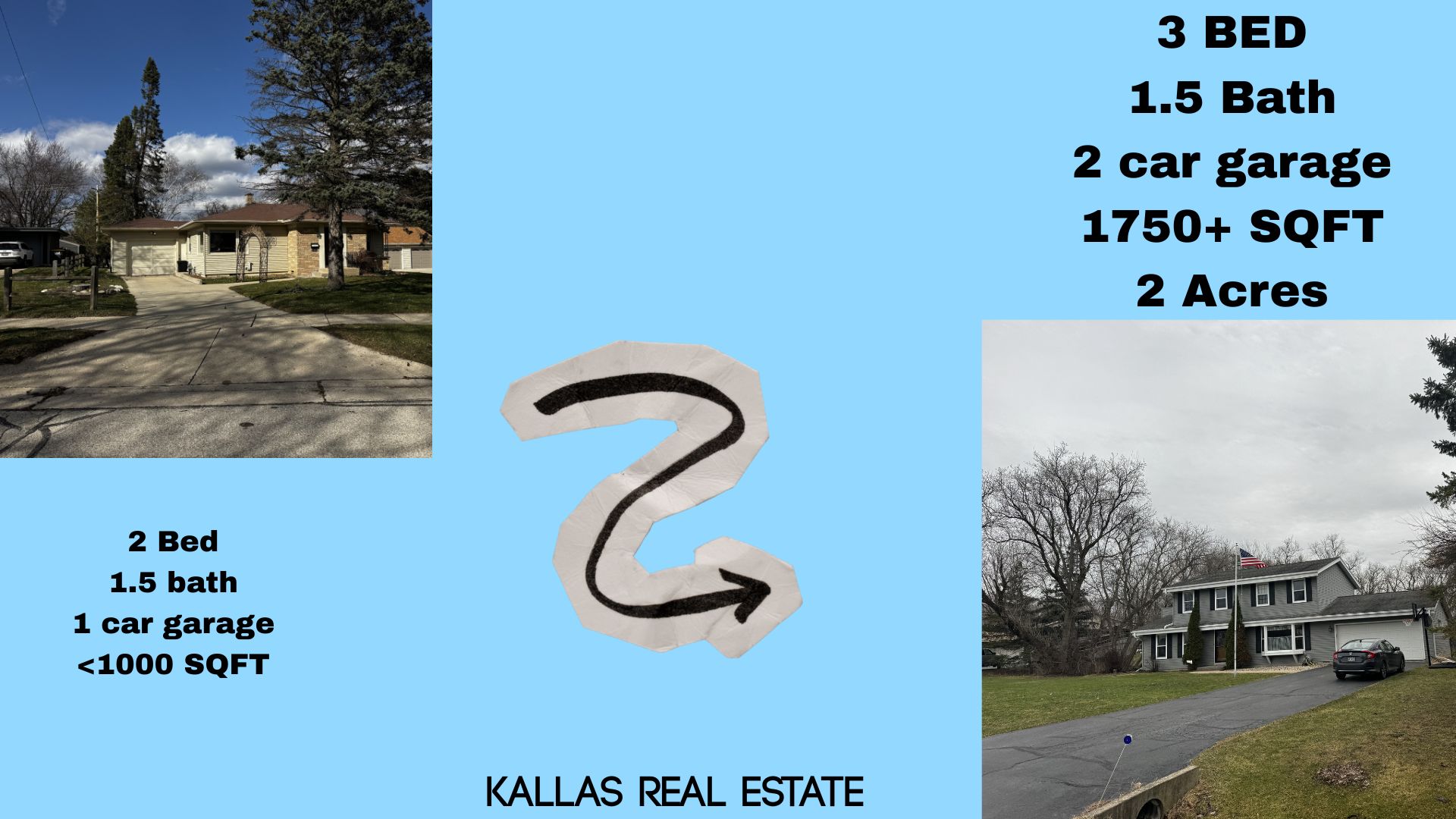
It wasn’t the house they would have chosen if they had endless time, dozens of options, and the luxury of waiting for the perfect fit. It was the house that made the move possible. A job relocation had brought them to the area quickly, and they needed a place to land. In a tight inventory environment, they found a 2‑bedroom, 1.5‑bath brick ranch with a 1‑car garage, bought it, and made it home.
And for a while, it did exactly what it needed to do.
It gave them stability. It gave them an address in a new city. It gave them a chance to learn Waukesha, settle into the schools, and establish a rhythm in a place where they didn’t know anyone yet. It gave them the space to begin their next chapter, even if it wasn’t the space they imagined staying in long term.
But what makes a house workable in one season of life can make it feel incredibly tight in the next.
Over the next two years, the family learned exactly what that home could do—and, more importantly, what it couldn’t. The kids were growing. Their routines were changing. What had once felt manageable began to feel cramped. Two bedrooms meant less privacy and more sharing than anyone really wanted, especially as the kids developed different interests and sleeping schedules. One and a half baths meant every busy morning felt like a race, a constant negotiation of who needed the shower next.
And as their weekly schedules settled in, the house started to show its biggest weakness: there was nowhere to truly separate work from family life. One parent was a school teacher, leaving early and bringing grading home in the evenings. The other worked remotely three days a week. The little ranch simply didn’t have enough zones for focus and quiet.
The daily frictions piled up:
A laptop living on the kitchen table because there was no true office.
Zoom calls interrupted by the dog barking or kids walking in from school.
Papers and grading spread across the couch because there was no quiet corner left.
Closets packed to the brim.
A 1‑car garage doing triple duty as parking, storage, and workshop.
Technically, the home worked. Emotionally, it no longer did.
By the time they admitted they couldn’t do another year in the ranch, they weren’t just thinking about buying a bigger house. They were thinking about buying a better‑fitting life. They wanted to buy back their peace of mind.
Finding the Right Waukesha Agent
Like so many buyers and sellers today, they found me the same way most people start any important search: on Google.
They were looking for a Waukesha real estate agent who understood how to help a family navigate a move‑up transition. Buying a house is stressful enough. Selling a house is stressful enough. Doing both at the same time—while juggling a teaching schedule, a hybrid remote work schedule, kids, and pets—can feel overwhelming. They didn’t want someone to just open doors; they wanted someone to manage the entire strategy.
They landed on my site, read through my articles, got a sense for how I approach these situations, and decided to reach out.
That first conversation mattered.
We didn’t start with price ranges or square footage. We started with how their current home actually felt.
What had worked?
What no longer worked?
What had changed over the last two years?
What did they now know about themselves that they didn’t know when they first moved to Waukesha?
That conversation brought clarity quickly.
They loved being established in the area. They loved Waukesha. They loved the familiarity of the school district, their routines, and their daily drives. They did not want to uproot all of that.
What they desperately wanted was:
More room and privacy.
Better separation between work time and family time.
A real door to close for remote work days.
A quiet place for evening grading.
More land, more quiet, and more room for their dogs to actually enjoy the property.
Once that vision was clear, the plan to get them there became clear too.
Selling First, Then Buying
When you’re buying and selling at the same time, you have two basic options: buy first and hope your current home sells quickly, or sell first and then shop for your next home with the proceeds in hand.
For this family, we decided early: we were going to sell first, then buy.
They did not want the stress and weaker negotiating position that comes with a contingent offer. They wanted to move from a position of strength, not anxiety.
On my side, that meant shifting into listing strategy immediately:
Prepare the house.
Position it honestly.
Price it correctly.
Market it to the right buyer.
Get it under contract so we could shop with confidence.
Their brick ranch wasn’t a luxury showcase—and we didn’t pretend it was. It was a solid, practical, low‑maintenance home in an established Waukesha neighborhood. Ideal for first‑time buyers or downsizers looking for something dependable.
We leaned into that:
A dependable brick exterior.
Simple layout.
Manageable yard.
Great “landing pad” for someone new to Waukesha.
The pricing, description, photos, and online marketing all told that honest story.
Showings started. Interest came in. The market responded. When the right, clean offer landed, they had what they needed most for the next phase: momentum.
With the sale locked in, we could turn our full attention to the purchase.
Searching with Intention, Not Panic
Their second home search didn’t look anything like their first.
The first time, they were reacting to a relocation deadline. This time, they were moving on purpose.
They weren’t just asking, “What can we afford?” They were asking:
“Will this layout support a teacher’s schedule and a 3‑day‑a‑week remote worker?”
“Will our kids each have space to grow for the next 5–10 years?”
“Will mornings feel smoother here?”
“Will this property feel peaceful when we pull into the driveway?”
“Does this actually solve the reasons we want to move?”
My role was to be their filter, not just their tour guide.
A pretty kitchen and staged living room are nice. But if a floor plan still creates the same old friction, the frustrations eventually follow you to the new address. So we kept returning to their core needs: more separation, more flexibility, more outdoor space, more peace.
Then, the right home appeared.
The Village Home That Finally Fit
The first thing that stood out about the new home was the setting.
It sat at the end of a quiet cul‑de‑sac in the Village of Waukesha on just over 2 acres of land. Tall trees, a fenced yard, and room to roam immediately changed what “coming home” could feel like. Instead of staring at a fence ten feet from the back door, they could look out over their own space.
Inside, the house answered needs their ranch never could.
It was a classic two‑story colonial with 3 bedrooms, 1.5 baths, and over 2,100 finished square feet, including finished lower‑level space. All three bedrooms were upstairs and genuinely spacious, finally giving each child their own room, their own closet, and their own corner of the world.
On the main level, life could happen in separate but connected zones:
A generous living room centered around a natural fireplace became the new evening gathering spot.
A formal dining room created space for real family dinners and holidays.
A well‑designed kitchen with granite countertops and better storage made cooking and cleanup less of a daily grind.
What truly changed everything for them, though, was the flexibility of the lower level.
The finished basement included:
A rec room that could absorb kids’ hangouts, hobbies, and noise.
A dedicated den that could serve as:
A closed‑door office on remote work days.
A quiet grading space for the teacher in the evenings.
A guest room or flex space as needs change.
For the first time since moving to Waukesha, work and school and family had their own spaces.
Outside, the property continued to deliver:
A large deck and hot tub for unwinding at night.
A fenced yard and acreage so the dogs could actually run.
A 2.5‑car attached garage and storage shed so tools, gear, and seasonal items finally had dedicated homes.
It wasn’t the right home because it was bigger. It was the right home because it fixed the real problems.
Why We Timed the Move for Spring Break
Once the house was chosen and the offer accepted, the last big piece was timing.
Originally, they pictured moving closer to the end of the school year. On paper, that makes sense—especially when one parent is a teacher.
But real life, real estate, and ideal timing rarely line up perfectly.
Because their starter home sold quickly and the right Village property appeared sooner than expected, a better option surfaced: move during spring break.
That one decision changed the entire feel of the transition:
The teacher had a full week to focus on packing, moving, and settling in—without teaching during the day.
The kids could switch homes and bedrooms without missing critical class time.
The remote worker could plan around a known, limited disruption window.
The dogs could explore their new world without the usual school‑week rush.
On paper, it looked like a simple date change in the contract. In practice, it was a quality‑of‑life upgrade all by itself.
A lot of what a good agent does never shows up in the photos or even on the closing statement. It shows up in how smoothly the timeline fits into a family’s actual life.
What Their Life Looks Like Now
When closing day arrived, they weren’t just moving from one building to another. They were moving from a home that had helped them survive a relocation into a home that truly supported the life they had built in Waukesha.
Their first house was useful. Their new house is aligned.
Now:
The kids each have their own rooms.
The remote worker has a real office three days a week with a door that closes.
The teacher has a quiet space to spread out papers without taking over the living room.
Family time has a cozy place around the fireplace or out on the deck.
The dogs have acres of yard instead of a few steps of grass.
Mornings feel different. Evenings feel different. The whole rhythm of life at home is calmer.
That’s what a move‑up purchase is supposed to do.
It’s not just about buying more square footage. It’s about reducing friction, lowering stress, and creating a home that fits who you are now—not who you were when you bought your first place.
Thinking About Moving Up in Waukesha?
If you’ve started to feel like your “good enough” home is quietly holding you back, you’re not alone.
I specialize in helping Waukesha families sell first, then buy the home that actually fits their current life—without making the process feel overwhelming.
You have two easy ways to take the next step:
Book Your Move‑Up Map Call
A 20‑minute, no‑pressure Zoom or phone call to look at:
What your current home might sell for.
Rough numbers for your next purchase.
2–3 realistic timing windows based on your calendar.
Get the Waukesha Move‑Up Checklist
A simple PDF to help you decide:
Whether you’ve really outgrown your current home.
Whether selling first makes sense for you.
What to consider about work, school, and pets before you move.




Disclaimer: All information contained on this website is deemed reliable but not guaranteed. All properties are subject to prior sale, change or withdrawal notice kallasre.com believes all information to be correct but assumes no legal responsibility for accuracy.